
In many lakes where trout rely on eating terrestrial insects or other fish to survive, newts can be a handy dietary supplement.
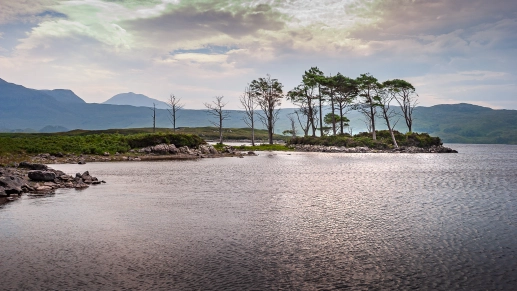
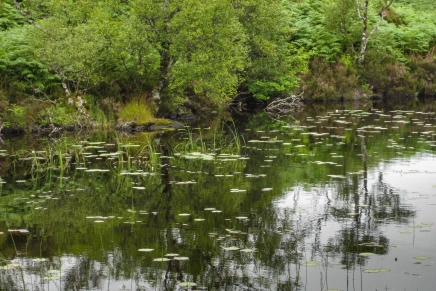
Trout eat newts when they can. That’s something I learned a long time ago fishing in Assynt in the far northwest of Scotland. There are hundreds of lochs and lochans scattered across the dramatic landscape and they vary in character and the food they provide for the native trout. Some sit over limestone and have good hatches of sedges, and in some cases even mayflies. Others occupy glacial scoured hollows in the three billion year old Lewisian gneiss, the water in these tends to be acidic and the insects available to trout are mostly terrestrials. It’s in these waters that trout supplement their diet with newts, frogs and sometimes other trout.
A dietary supplement
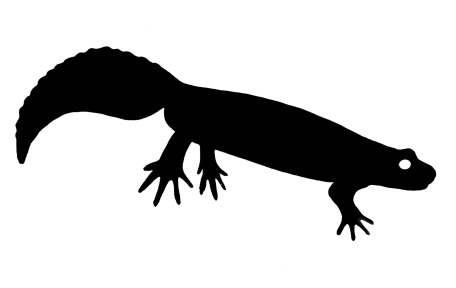
Newts, being amphibians, must spend some of their time in the water to breed. Adult newts do not have gills, so they need to swim on the surface or to come up for air if they dive. Up in those wild lochs, where the trout rely on eating terrestrial insects or other fish to survive, newts can be a handy dietary supplement.
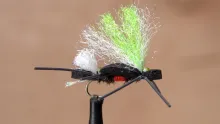
Long shank G&H Caddis
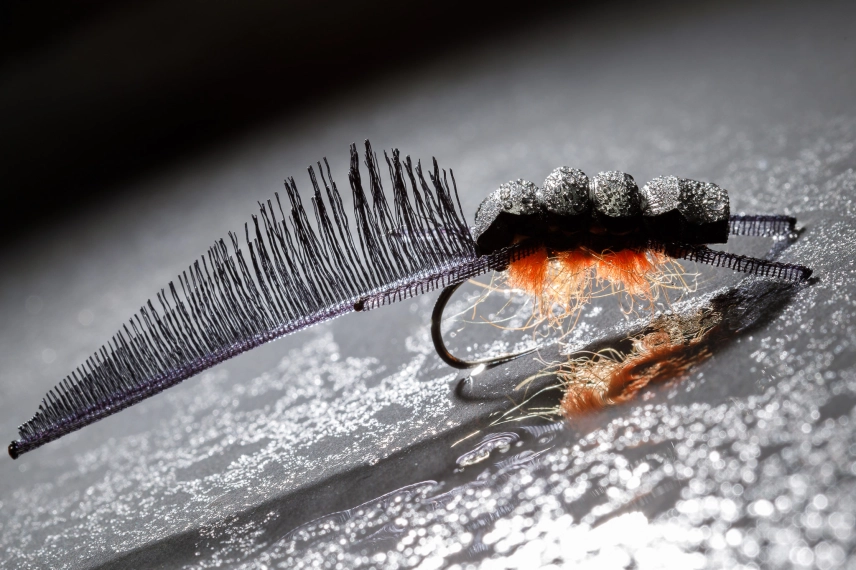
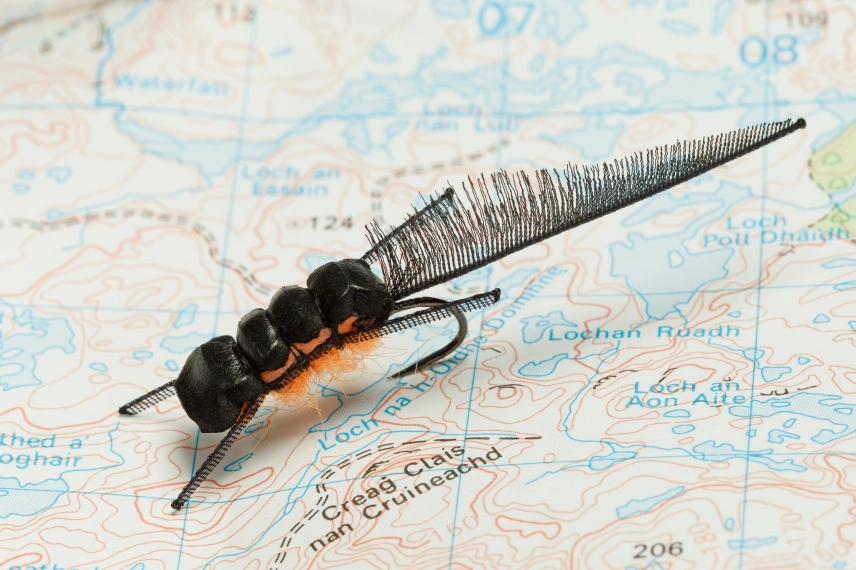
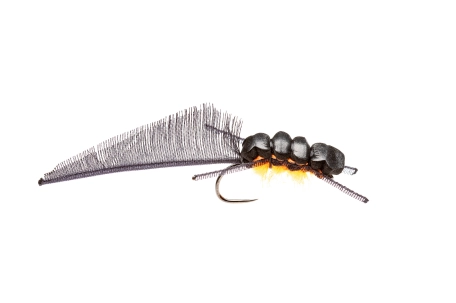
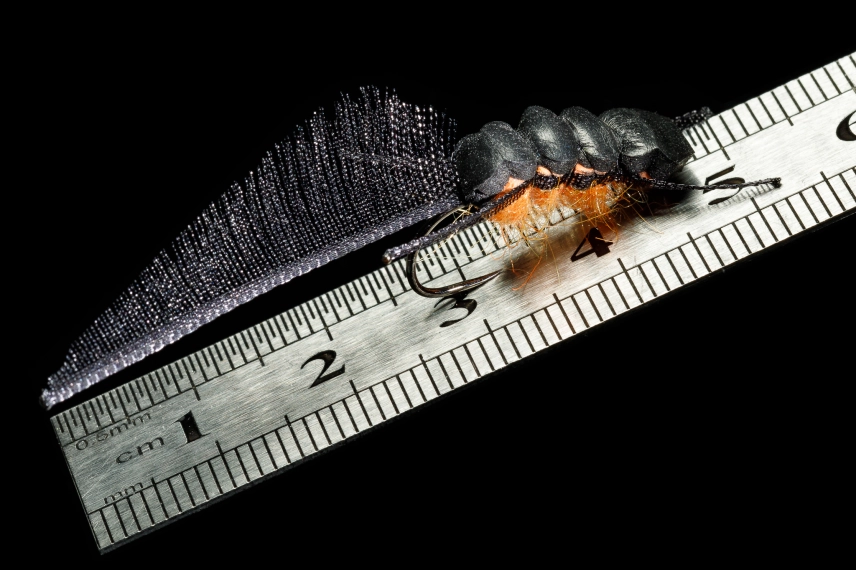
The locals would fish a long shank G&H Caddis with orange dubbing underneath and pull it across the water to make a wake. Fifty years ago, I fished a scruffy black deer hair streamer with the front trimmed Muddler style and the hair left long and tapered along the back and into the tail. It worked pretty well pulled among the reeds and water lilies on the Assynt lochs and lochans and also on the hill lochs I fished nearer to home. The Newkt is a modern newt imitation designed to be fished the same way. It gets its name from the way larger trout take it – in can be quite explosive.
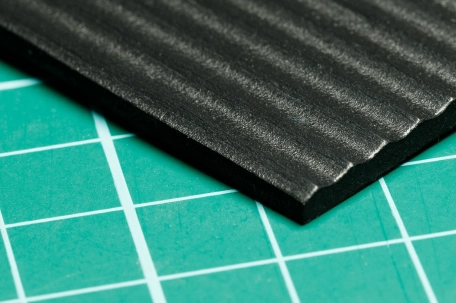
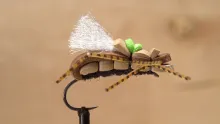
Embossed corrugated craft foam
I use embossed corrugated craft foam for my Newkts, it’s available in craft stores for around £1 for a 20 x 30 cm sheet. If you can’t get it just use some 3mm plain black foam, a hungry fish won’t mind.
The tail is made from two tapered pieces of organza ribbon using the same method I use for several of my streamer patterns including the Micro-Minnow (GFF link). Follow the diagram and instructions in that GFF article to make the tail from black ribbon.
Nick Thomas
- Log in to post comments



Newts and Salamanders... yum!
Yes, indeed, native Cutthroat trout here on Canada's wet coast will take these squirmy critters at every opportunity.
Our little dragons are mostly black with a few yellow spots running along their length. They are sinuous swimmers that really attract a lot of attention.
Cheers!