Hi im jacob im 13 an
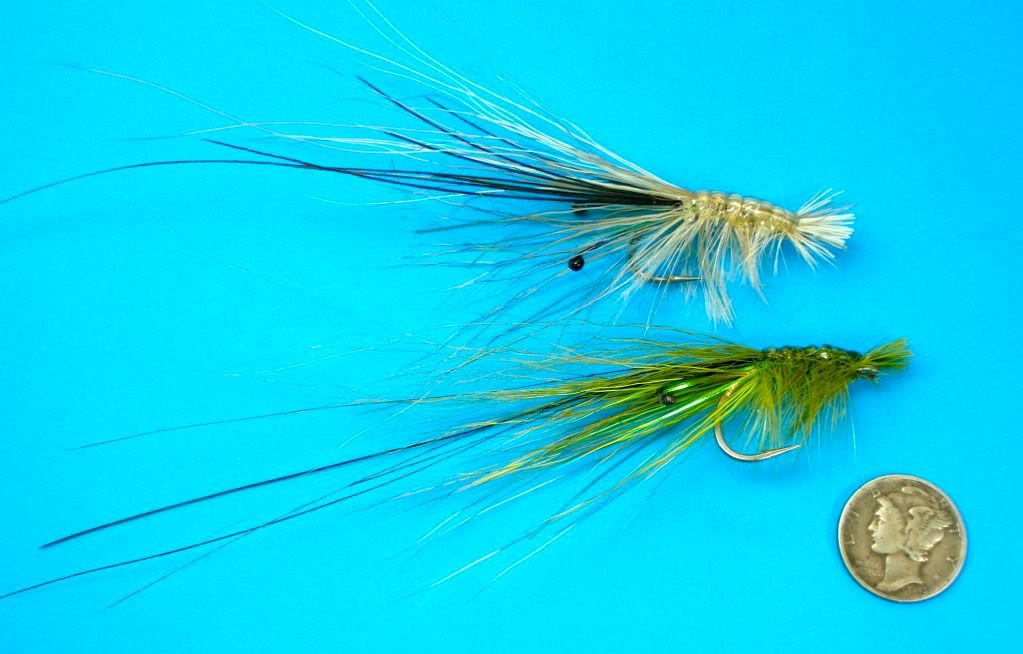
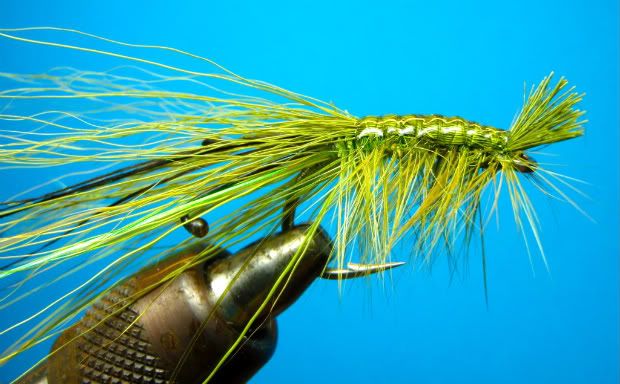
Hi im jacob im 13 and I tie realistic flies and I would like to know how you tie that killer caddis pupa.
- Log in to post comments
Hi im jacob im 13 and I tie realistic flies and I would like to know how you tie that killer caddis pupa.
Roger,
You as well as any other fish(y) artists who want their art online here, can contact me.
Martin
Is there any way to share my sculpture on your site to those who might be interested. I am a sculptor who creates both saltwater and freshwater gamefish out of stainless steel. My website is FowlerSculpture.com
Please check out my bonefish.
Pete,
As always: amazing! Those are nice shrimps, and definitely something I'd put on my tippet. Compared to our local shrimp (the natural) they seem just a bit large, but on the other hand people here are using flies like the Pink Pig, which seems to be too large for my taste too. But it catches fish. No need to argue about that - in spite of its color and size.
Martin
Shrimp insinuation with a Flex carapace...
I love this stuff...
http://i198.photobucket.com/albums/aa176/Phracas/PA240346.jpg
http://i198.photobucket.com/albums/aa176/Phracas/PA170335-1.jpg
This pattern, the article and photos all fit together great! I am fascinated by shrimp patterns and have been working on a pattern that looks realistic wet for the shrimp we have here in the Gulf Coast in Texas. Does anyone have any ideas of what material to use for the head ...besides epoxy? I am looking for ideas and inspiration!
Hi,
Any fly tier worth his/her name will be insane to offer quality flies @$1.90/dz. be it from the moon or from Kenyan. I am a Kenyan fly tier and I know. The so called Kenyan "tiers" are just cheats who rob finished products from their superiors and offer them cheaply simply to get rid of the ill gotten merchandise. They will also rob fly materials in small quantities while on their work places until they have enough to finish small sized orders. It becomes very difficult then to sell real quality flies from Kenya at the prevailing competitive prices because you cannot compete with these guys' prices. DON'T GIVE THEM A CHANCE. Try giving them a huge volume order with diverse fly patterns and see what happens.
I'm thinking of a better way to make the eyes for shrimp......
This is what is in the works...... mon. line.... take a very small bead[like salmon egg]
use the epoxy ...glue to line ....dip in black enamal paint...last coat.... clear coat
head cement?????????
thats cool
In Serbia fly fishing for chub is very popular. Particualy I started fly fishing because of this fish. In south-eastern part of country they use something similar to your fly but little more difficult to tie.
Fly is usualy made from balsa wood on hooks size 14 to 8. First you make thread base, than make "water drop" shaped body of balsa and cut a channel on under side. Than you sholud drop super glue on hook and put balsa body so that first 1/3 of hook (near eye) stays empty. When glue dryes you can fill channel on underside with 5 min epoxy resine and when it hardens you should paint balsa with some colour (nail polish is OK but you will need 3 layers). Wait until colour is dry and than put some polypropilene for indicator (this is optional), and after that tie some feather for hackle (you can use partridge, because balsa keep it floating).
It is important that you cast this fly hard on water surface so that it makes splash in order to call chub for lunch.
Tom,
I am happy, you enjoyed the article as well as many others - as I understand. What fly did you tie using the epoxy eyes? I am looking forward to seeing a photo in the forum.
Kasper
Most fly shops and suppliers in the western US do not distinguish between silver and golden badger hackles.... and saddly even around Puget Sound some do not even know what badger hackle is... I suspect that Glen is from the western portion of North America and may be having trouble as a result. I suggest visiting the whitting web site under american hackle, the site has picture of silver and golden badger hackle. Basically the golden is golden/ginger coller with a black center, the silver is much lighter silver/white color with black center. There is also speckled basically golden or silver with black specks, and can be harder to find....
The cost of Whiting Badge necks may be high, but they have higher quality and more than double the number of feathers. I suggest using the Whitting American Badger.....
Tom,
2000, eh? A lot of water under the bridge since then. And professional help? We've all needed it at one point. Some of us maybe still do...
We're happy to have been a part of your obsession.
Martin
Hello Kasper and everyone in the room. "GFF" was as I remember the very first site of this nature I found after purchasing my first PC in 2000. I was, according to my wife, in need of professional help, as I was so addicted, staying awake all hours drinking and smoking and GFF. Yes I was truly off the thin line. This is not my fault for others have led me astray. So much for that. Thank you Kasper ,this was again such a fine article.I'm sending my arm over to you with a large hug for you. Tom.G.
Hello Mr. Petti, Thank you for this fine article. Guys like you are what inspire guys like me, carrying the ball further downfield. It was the "Grey Ghost" streamer that hooked me LS&B way back and the go to fly for many years, often the only fly I fished with few exceptions, other streamers, sculpins, muddlers and rabbits. I have released many trout to the credit of the Ghost. Sincerely, Tom Gibbons.
Anders,
Yes, this DVD is highly recommended, but also from New Zealand, which can make it difficult to get a hold of. But the web site for the DVD has links to shops in the US, which might help. I have no European sources unfortunately.
Martin
Hi Martin
one question how do we get the movie once in a blue moon to Denmark ??it looks like a must have fore the collection
Regards Anders
The SLD Surehold Dry hook Seems to be too flexible and might break or snap whitch it did in my vice.Looks to be great concept but wire is too thin.May loose a large fish.Would like to have standard wire hook.
I've used Chris Helms predator as my starter fly in all our classes and at conclaves over the past 9 years but after this article and reading Woolly Wisdom the woolly is going to be the starter fly once again when in Jan we begin teaching our art to the 6th--8th grades in our charter school here in the Villages of Florida.
The one very effective variation of the hornburg use here in Quebec province for brook trout: the Galarneau. This version has a short red tail, flat gold tinsel body, yellow calf troat, blue deer tail underwing, mallard flank wings and badger hackle.
Hi Joe, I guess I'm another clb.
I got some white rubber for legs when I took apart the waistband of my expired underpants. Can be warm,dyed, and variegated by twisting in the vice and marking the ribbing effect with permanent marker. Original girdle bug came about the same way, before my time.
Also nylon plastic canvas chord, a tubing about 3mms, comes in a wide variety of colours silver and gold being an obvious choice. Realy tough and perfect for mickey finns, cost here(Canada) about $1.50 for 10 yards.
Foam,3mm, costs about $1.15 for quite a large sheet, in various colours.
Mainly from the craft section in Wal Mart and it certainly pays to browse in any craft type store.
Best regards, Peter.
Hi Paco!
Beautiful fish! This zander is my dream on fly !
I will try this on the Farmington River in Connecticut (U.S.A.) The olives are size 28 and the browns are very selective. This looks like a winner

… I have a small favor to ask.
Support the Global FlyFisher through several different channels, including PayPal.
The Global FlyFisher has been online since the mid-90's and has been free to access for everybody since day one – and will stay free for as long as I run it.
But that doesn't mean that it's free to run.
It costs money to drive a large site like this.
See more details about what you can do to help in this blog post.