This is a guide to chalk stream fly fishing in the UK in 2026 with tips on finding, booking and fishing chalk stream beats in southern Britain
Southern England’s chalk streams are world renowned for their immaculate fishing. But to some people they are still unexplored territory. In this article we will explore Chalkstream Fishing in 2026 and its many aspects, especially targeted for international fly anglers.
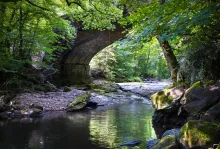
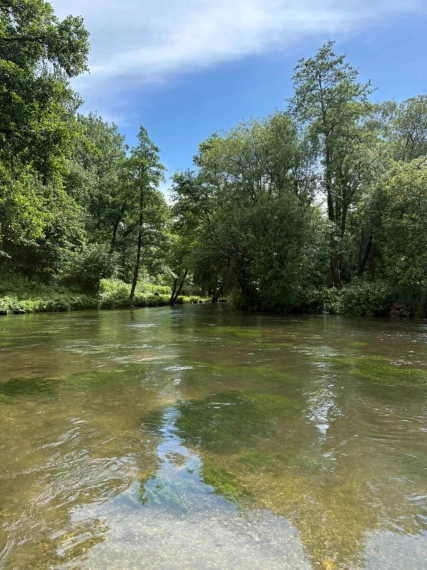
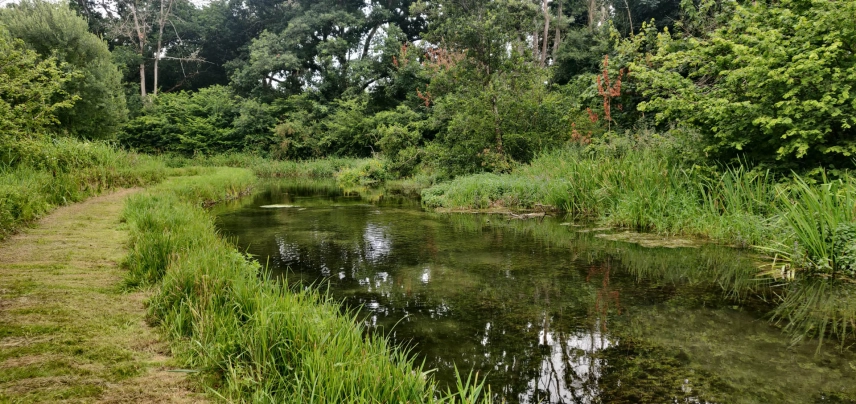
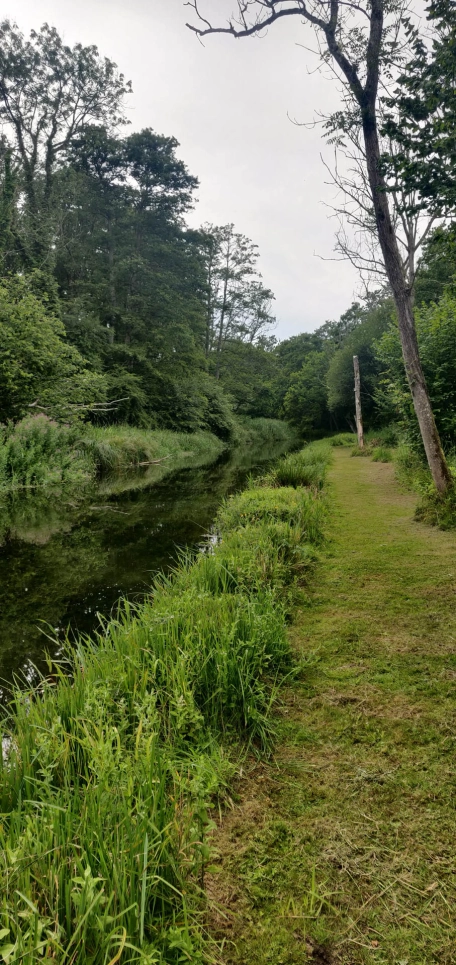
Chalk streams are groundwater fed streams that run over chalk. The water comes from big underground water reservoirs which rise in springs. This gives chalk streams their special characteristics; their temperature is very steady throughout the year, giving them ideal living conditions for fish. Their minerality is higher than other waters and their waters are crystal clear. Usually, they flow over riverbeds of gravel.
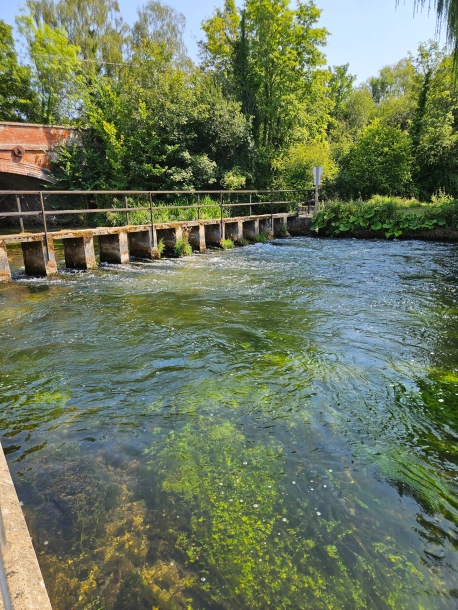
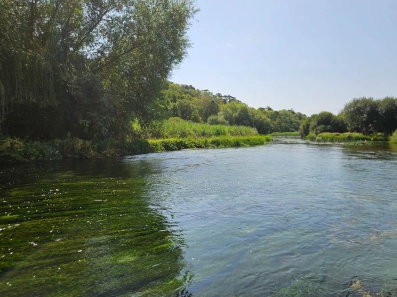
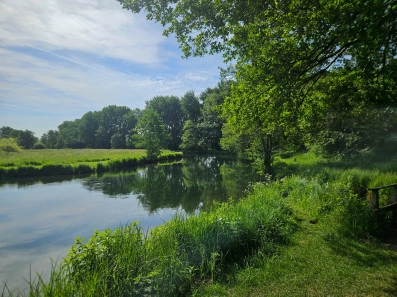
85% of the world's chalk streams
England holds 85% of the world's chalk streams of an estimated 300 and in February this year a parliamentary motion was tabled to push to make them a UNESCO world heritage. This comes, as chalk streams are more and more under pressure of ecological, human made stressors. If you would like to learn more about the challenges chalk streams are facing, read this very informative article.
One huge plus for travelers: chalk streams are very resilient to rain because the chalk acts like a giant sponge. This means they rarely "blow out" or become muddy like other rivers, making them very safe to book months ahead of time.
Nevertheless, fishing on these chalk streams is thriving and over the last years has become a major income source for the local regions, people in the fly fishing industry and landowners. Unlike in other countries, like the US, almost all chalk stream fishing is located on land that belongs to private individuals or fishing clubs. It’s up to these people to allow fishing on their land, but luckily for us, they have become a lot more open.
Chalk streams are more and more under pressure of ecological, human made stressors
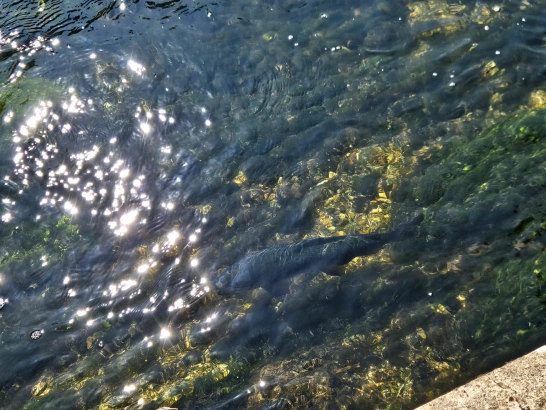
The Rivers
River Test (Length: 39 miles) - The undisputed king of chalk streams and the historic birthplace of modern dry fly fishing.
River Itchen (Length: 28 miles) - A world-renowned river celebrated alongside the Test for its incredibly gin-clear, fast-flowing water and exceptional wild brown trout.
River Kennet (Length: 45 miles) - One of England's most significant chalk streams, characterized by rich weed beds and massive fly hatches.
River Frome (Length: 35 miles) - Dorset's famous chalk stream, well known for lush aquatic vegetation and exceptionally big grayling.
Hampshire Avon (Length: 60 miles) - A major southern river offering varied fly fishing across its highly regarded upper chalk stream stretches.
River Nadder (Length: 34 miles) - A picturesque tributary of the Avon providing secluded and highly rewarding fly fishing.
River Lambourn (Length: 16 miles) - A beautiful Berkshire chalk stream renowned for its pristine water and thriving wild trout population.
River Allen (Length: 13 miles) - A relatively short but incredibly clear Dorset chalk stream, perfect for reading the water carefully and stalking individual fish.
River Dever (Length: 11 miles) - A famous, intimate tributary of the River Test offering superb and challenging sight-fishing.
River Dun (Length: 11 miles) - A quintessential Hampshire chalk stream renowned for its highly technical and rewarding wild brown trout fishing.
River Anton (Length: 10 miles) - A classic, intimate Test tributary supporting healthy populations of brown trout that feed freely on surface insects.
Bourne Rivulet (Length: 5 miles) - An iconic, highly revered tributary of the River Test, made famous by literary history and loved for its highly challenging wild brown trout.
Fish Species & Seasonality
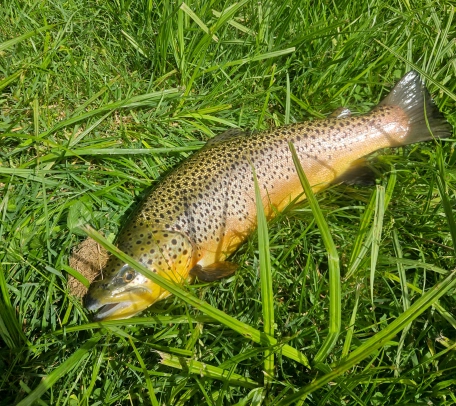
The trout season runs roughly from the beginning of April until the end of October, and grayling from mid-June until mid-March. This is mandated by law, to protect the wild fish population during breeding times. You can double-check the exact national dates and rules here: Freshwater rod fishing rules.
Fishing Type & Rules
Only fly fishing is allowed; that shouldn’t be a problem for us. Usually dry flies and nymphs are allowed, while not all nymphs make the cut depending on the estate. Sometimes only dry flies are permitted to be fished, offering the biggest challenge. Furthermore, only upstream casting is allowed for sporting purposes.
Most fisheries let you keep some trout, usually between 1-4. It depends entirely on their rulebook, while others are fully catch and release. Additionally, you might only be allowed to catch a set number of fish, and if you reach that limit, you have to stop fishing. This rule ensures the fish don’t become too picky and the next fishermen can enjoy catching fish aswell.
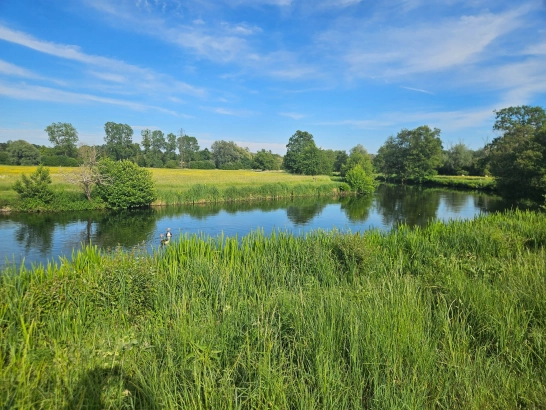
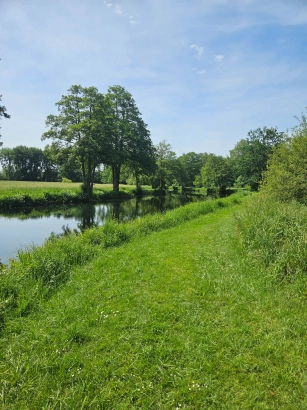
A quick note on wading: on a lot of classic chalk stream beats, wading is completely forbidden to protect the fragile gravel beds. Be prepared to do most of your fishing directly from the bank.
Recap on the rules:
Upstream fly fishing only
Check which flies are allowed
Be respectful towards other anglers, pass them and merge back well ahead of them
Leave the fishing hut as you found it
Record your catches in the catch book, usually found in the fishing hut
Try to net fish quickly and release them after resting
Follow the catch limits
Check specific rules of the fishery
Booking & Permits
To start off, it’s all about what you want. What type of fishing do you like? Do you prefer hunting for grayling or for trout? Or do you want very intimate fishing, where you are the only person on a stretch of river casting to wild trout. There’s something for everyone out there, from beginner level to expert. www.fishingbeats.com is a platform that helps you find the fishing beats of your dreams; you can pick from over a hundred options. Alternatively, you can search for chalk stream fishing agents on any search engine to find booking agencies.
Once you pick a beat or multiple beats for a longer stay, checking availability is the next step. This is where it can become a little bit tricky and frustrating. Certain booking agencies don’t display open dates online, and it could very well be that the beat you want is already booked out. Sadly, there's no combined overview of availabilities out there. Especially during the Mayfly hatch, expect very high demand, so you need to book at the very beginning of the year.
Naturally, you need to book any fishing beat you want to fish. Trespassing & poaching is punishable and checked for. On top of that, you will need a national Environment Agency fishing license with you, which costs £7.30 for a day and £14.70 for an 8-day license. You can buy it online in minutes here.
Pricing
Let's talk about money.
Chalk stream fishing isn't exactly cheap, but the price span is quite wide depending on when and where you go. A winter grayling day might set you back between £60 and £150 per rod.
Regular trout fishing in early spring or late summer typically sits between £150 and £300 a day.
However, if you want to fish the famous main stretches of the River Test or Itchen during the peak Mayfly hatch (mid-May to early June), be prepared to pay anywhere from £300 up to £450+ per rod, per day.
It’s an investment, but worth every penny for the exclusivity.
Nicolas Charlton
Equipment & Gear
The baseline rod for fishing major chalk streams is a 9ft 5-weight setup. Because these rivers can be quite wide, it can be difficult to cast across them with smaller rods. However, there are also some beautiful narrower streams and carriers where a 7ft rod is absolutely perfect.
When it comes to leaders, picking a 12ft leader with a strength of 4-5x is your best bet. You will encounter surprisingly big fish on the major rivers, since they are often stocked at larger sizes and wild fish grow fast here.
Choosing the right flies can be daunting, so it’s highly recommended to do some research online or just contact the booking provider directly. Asking for fly advice for the specific week you are visiting can work wonders, so don’t skip on this part.
Finally, take a pair of small pliers to debarb the hooks on your flies. Fishing with barbless hooks is a major rule on these beats. Buying barbless is easiest, but having pliers is a quick fix if you only have barbed ones. Just check your beat's specific rules, as a few estates strictly require manufactured barbless hooks only.
Depending on who you book with, equipment can sometimes be provided—even waders—if you prefer traveling light. Just ask your booking agent or fishery. And naturally you’ll need a landing net, sometimes an extendable one if you are fishing high banks like the main parts of the River Test. The beat info pack will usually tell you what net to bring.
The Beat Experience
Weed Cutting
Weed grows extremely quickly in chalk streams because of the great conditions. If it wasn’t cut down, the greenery would explode and block the flow entirely. Weed cutting happens in strict, scheduled windows throughout the summer. Certain fisheries close during this time, while others offer a reduced rate, as you might have cut weed flowing next to your fly.
Fishing Huts
Almost all beats offer a fishing hut, some even featuring a toilet and running water. They are maintained by the river keepers in the morning, so please leave them exactly as you found them. During lunch or tea time you can have a nice break inside, enjoy a picnic, drink a beer or fire up a barbecue. You can also meet other anglers if your beat offers multiple rods a day and chat about flyfishing and life.
Riverkeepers
Riverkeepers are the people who look after the beat; they trim overhanging growth, mow the lawn, cut reeds and more. Usually, they live in a cottage close by and work extremely hard to offer the best fishing possible. If a riverkeeper is onsite, say hello and thank you. They want to make the fishing comfortable but rewarding for you, and they know the beat like no one else. Don't be afraid to ask for advice—they can tell you the best spots on the beat, exactly what flies the fish are taking that day, and where the deepest holes are.
Ghillies (Guide) & Tuition
You will definitely have a great time and successful fishing without a Ghillie. But if you want to learn the waters in a short time and discover the right techniques for chalk streams quickly, hiring one is a great idea. Most booking providers can organize Ghillies; these experts know the fishing beats inside out and can describe the depth, gravel beds, and bends blindfolded. If you feel like improving your casting, most offer tuition as well.
Accommodation & Food
Accommodation can be easily organised through fisheries and booking agents. They are heavily partnered with local hotels and pubs and can recommend great places to stay nearby. Over the last couple of years the gastronomy in the area has massively improved, so if you want to enjoy some fine dining after a long day on the water, you can absolutely get that. But of course, a simple barbecue at the river is also possible - much recommended.
The Experience
Fishing on chalk streams is something magical. Just being there at these top maintained fishing beats, you feel like royalty. The water is gin-clear, meaning this is entirely a sight-fishing game. You put on your polarized sunglasses, creep quietly along the bank, and actually watch massive brown trout holding deep in the current or rising to sip insects off the surface. Spotting your target, making the perfect upstream cast, and seeing the fish eat your fly right in front of your eyes gets your heart racing every single time. Everything is perfect, and you will have an incredible time fishing - promised.
Overall the experience is expensive, but it’s also highly exclusive. With the right choices of beats, seasonality etc you can have wonderful fishing for a fair price.
- Log in to post comments